


We’ve covered some heavy topics this year, from Omicron through to COP26, but they all pale into insignificance in the context of our last topic of the year: Christmas Number 1.
We’ve had a look at who still cares, some of this year’s key contenders and how engagement around the subject has evolved across the last 5 years.
Last 5 Years Engagement

Chart 1: December mentions of ‘Christmas Number 1’ across the last 5 years.
The graph above shows that Christmas Number 1 is getting less and less relevant over time. It hit an all time low during 2020, which won’t surprise many given the fact that 2020 was one of the least festive Christmases on record.
While we’ve seen a small recovery this year, there is less engagement than in 2019, representing a continuation of the lessening of interest.
This Year's Contenders

Chart 2: December mentions of ‘Xmas Number 1’ and the top 5 contenders.
This chart shows Ed Sheeran and Elton John are Social Media’s frontrunners. However, the song in contention actually features them both, and is led by the lesser-known Christmas specialist called LadBaby. If we aggregate their individual mentions, we get a real clear frontrunner for this year’s number 1.
An interesting additional stat here is that 53% of all mentions of ‘LadBaby’ include the word ‘Christmas’. Compare this to Adele, where just 1.5% of all her mentions are Christmas related, and we really get an insight into just what a festive specialist LadBaby is.
So, who still cares?
We ran analysis into all of this year’s conversation and hype around Christmas Number 1 in order to get an insight into who actually still engages with the tradition. Here’s what we found:
Young People!
Gen Zers and Millennials make up almost 80% of the entire audience. Tribes like Students and Millennial Rock Fans indexed particularly highly - indicating that the Youth do still care, and engaging with the year’s Christmas Number One is not just a nostalgic tradition for those who remember Top of the Pops.
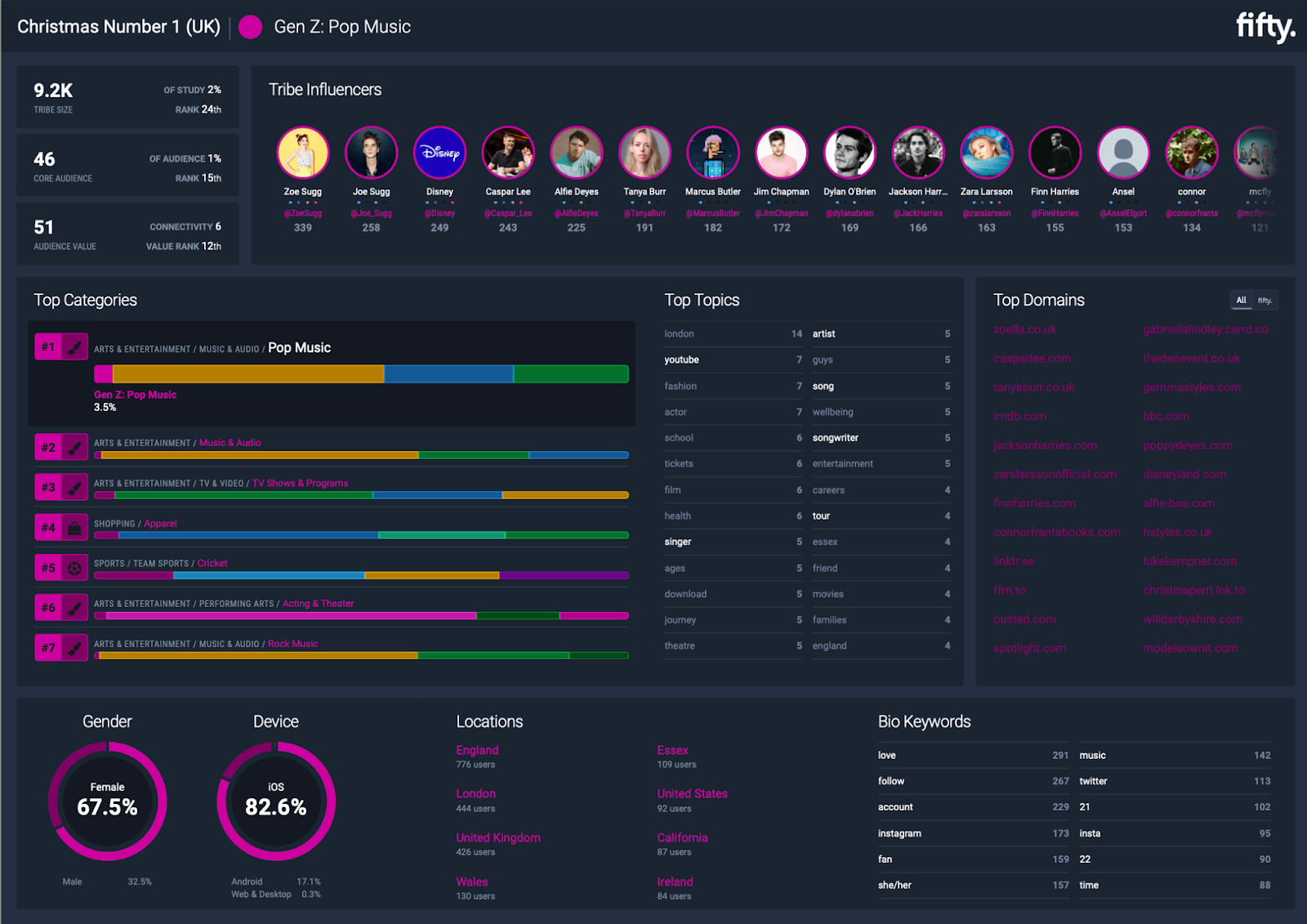
Figure 1: a tribe of Gen Z Pop Music fans, encapsulating some of the younger swathes of the audience.
Trendy Music Fans
Traditionally we associate Christmas with a specific type of music, namely Rock and Pop, and our top 5 contenders imply this too. But interestingly, our top tribe is full of Hip-Hop and Grime Fans, showing that maybe the Christmas charts are more inclusive than one may have initially thought.
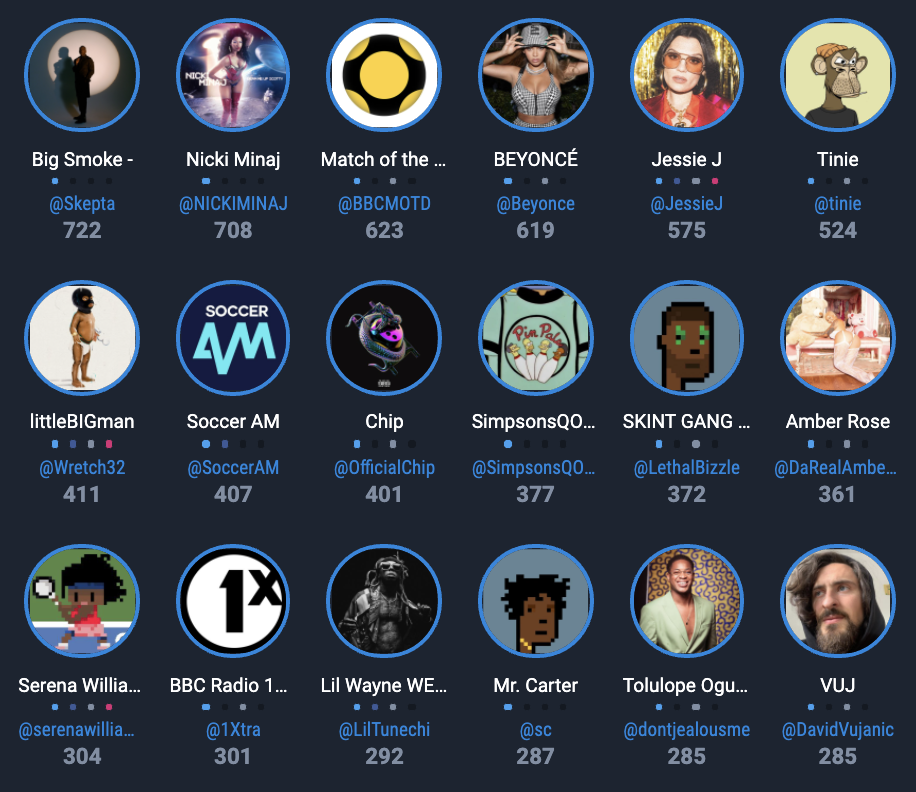
Figure 1: some of the top influencers in our ‘Trendy Music Fans’ tribe, showing a real influence of Grime and Hip-Hop across the audience.
Want more insights like these? Book a demo with our team.