

The fashion market contains very different routes into the category. Understanding those routes can reveal where a brand has permission to play, which audiences could drive future growth, and how media and messaging should change around them.
Fashion retailers do not need telling that their customers are diverse.
The more interesting question is what those differences actually consist of, and whether they are significant enough to change a marketing decision.
That is what caught our attention when we mapped the UK fashion retail landscape.
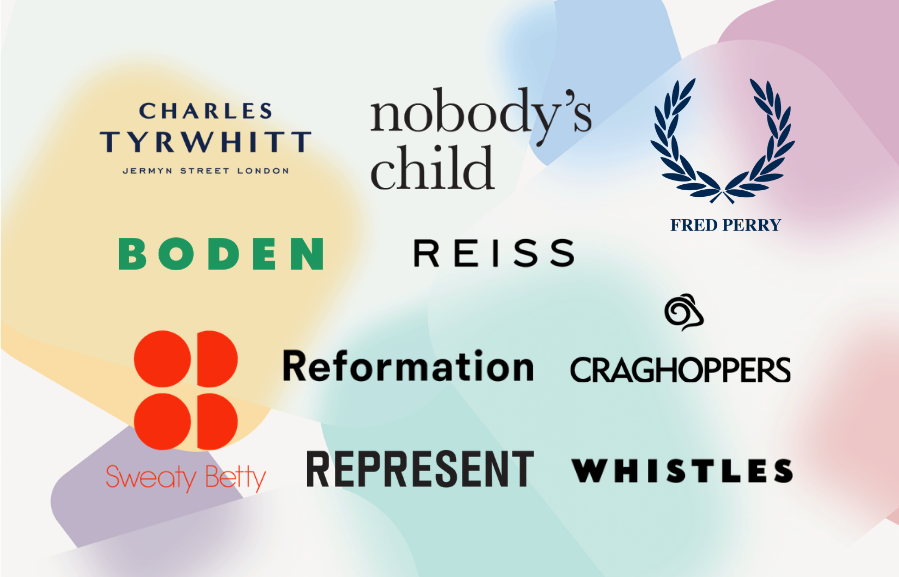
We built an audience study based on the audiences engaging with brands spanning athleisure, formalwear, outdoor, sustainability and streetwear.
Fifty's network science identified nine behavioural Tribes within that audience, built from 4.56 million interest points and 19.3 million connections between them. Crucially, these completely custom segments, of ‘Tribes’ are a product of this specific audience. Build the same analysis around an individual retailer, product or growth challenge and the composition changes with it.
That is where the value starts.
Not in proving that fashion shoppers are different, but in understanding which differences create an opportunity to grow, influence or engage them differently.
Fashion can be the destination, or simply part of the journey
One of the clearest findings is how differently people arrive at fashion.
For the Style Conscious Sporty Male Tribe, the route runs through football, music and terrace culture. The badge, the story and British authenticity carry weight, with musicians, bands and athletes prominent in their wider interests. That makes sporting moments, music partnerships and heritage collaborations more than adjacent interests. They become potential routes into the audience.
At the other end of the wardrobe are the Outdoor Lifestyle Pioneers. Their relationship with clothing is functional and values-led, built around walking, hiking, camping and conservation. Helena's description captures it neatly: they buy the kit, rather than the outfit. Durability, repairability and environmental credentials therefore outrank the trend.
That difference has an immediate marketing implication.
A brand could be selling clothing to both audiences, but the reason to care, the context in which the product becomes relevant, the partners that bring credibility and the media environments around that decision can be entirely different.
The product category is the same. The route to relevance isn't.
Some audiences set the pace. Others follow it differently.
The analysis also reveals different roles within the fashion ecosystem.
Stylish Trendsetters are the most fashion-native audience in the study. They engage with titles including British Vogue and Grazia and with fashion figures and influencers, and appear disproportionately influential in identifying and following trends that other groups may adopt later.
Creative Urban Innovators are also style-led, but their wider interests stretch into professional and technology culture, including brands and publishers such as The Verge and VentureBeat. Their relationship with fashion sits alongside innovation and a busy professional lifestyle rather than existing in isolation.
Elsewhere, British Modern Families are led into fashion more through popular culture than the catwalk, while Savvy Shopping Mums place greater emphasis on deals, loyalty, practicality and quality for price.
For a marketer, these aren't just colourful audience descriptions. They provide clues about where influence originates, how it travels and which levers are likely to matter at different points in that journey.
A fashion-native audience might be valuable for spotting emerging behaviours and cultural direction. A value-led family audience may require a completely different case for purchase. An outdoor community may respond to product proof and credibility in places where a conventional fashion campaign would feel less natural.
The growth opportunity sits between the Tribes
This is where a bespoke audience becomes more than an insight tool.
For an individual retailer, the question would not simply be: which Tribe are our customers in?
It would be:
Which audiences already drive our business? Which adjacent communities share relevant behaviours or motivations? Where are we underrepresented relative to the opportunity? And what would it take to make the brand relevant to them?
That creates a much richer starting point for growth.
It can influence who receives investment, but also how that investment works. A growth audience discovered through football and music should not automatically inherit the same media plan and creative proposition as one reached through fashion publications. A sustainability message rooted in outdoor utility may need different evidence and environments from one rooted in fashion identity.
This is the beginning of the Fifty growth process: build a proprietary understanding of the audience, use it to identify where opportunity sits, then carry that same intelligence into planning, activation and optimisation. The objective is not more audience data. It is a consistent audience foundation that can reveal new growth communities, make channel decisions more informed and retain learning beyond a single campaign.
The insight is not that fashion audiences are different. The opportunity is knowing exactly how they are different, and turning those differences into new routes to growth.
In our next blog in the series: if these Tribes exist across fashion, how differently are they distributed from one retailer to another? That is where the competitive picture gets particularly interesting.