

Global gaming launches create a huge opportunity to build scale across markets.
But the strongest campaigns can combine that scale with a deeper understanding of the audiences that matter locally.
Our latest gaming audience analysis shows how the same title can resonate with very different communities in the US and UK, and how those differences can inform targeting, media investment and creative strategy.
The Insight: Different Tribes, Same Game
We analysed the release of Onimusha: Way of the Sword in the US and UK markets to see which groups the title resonated with most strongly. The results were telling.
In the US, Fighting Game Aficionados over-indexed by more than 200%. This is a community drawn towards competitive play, skill, mastery and deeper combat mechanics.
In the UK, however, fighting-game passion does not emerge as a standalone tribe.
Instead, Anime and Manga Enthusiasts over-index by 161%. This audience is more closely connected to fandom culture, Japanese aesthetics and environments such as Comic Con than competitive gaming tournaments.
There is another important difference. The UK's largest gaming tribe, Adrenaline-Seeking Gamers, under-indexes for the title by 84%.
The same game is therefore connecting with different audience communities in each market.
And that creates an opportunity to make the media strategy more relevant too.
In the UK, however, that same tribe barely surfaces. Instead, the title’s strongest affinity lies with 'Anime and Manga Enthusiasts', over-indexing at 161%. This group gathers around fandom culture and Japanese aesthetics rather than competitive tournaments.
Perhaps most critically, the largest mainstream gaming tribe in the UK, 'Adrenaline-Seeking Gamers', actually under-indexed for the title by 84%. A US-built plan aimed at the competitive mainstream audience would not only be inefficient in the UK market; it would effectively be targeting the group least likely to engage with the game.
Turning Insight into Media Action
The value of this intelligence is not simply in identifying that the audiences are different.
It is in understanding what those differences can change.
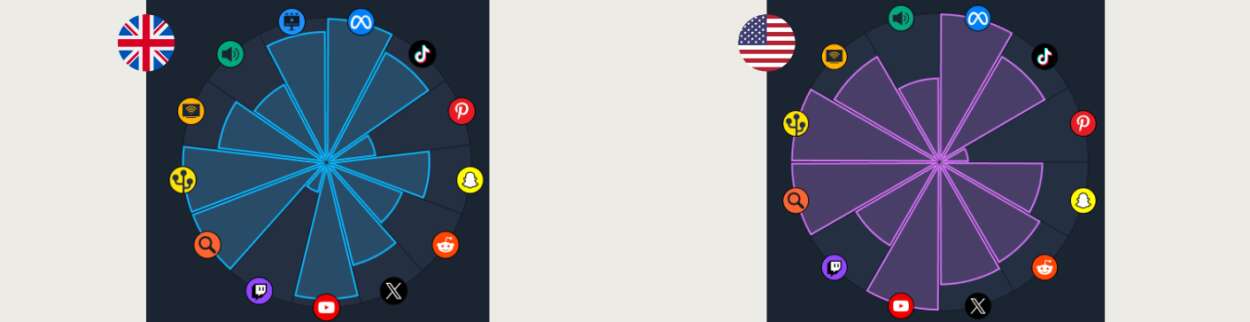
By looking more deeply at the content audiences consume, the environments they spend time in and the other interests and behaviours that shape them, audience intelligence can be translated into decisions around media, targeting and creative.
For the US audience, that could mean placing greater emphasis on esports and fighting-game content environments across Twitch, YouTube and social, alongside creative that focuses on gameplay depth, combat and mastery.
In the UK, the campaign could shift more investment towards anime and fandom environments across social, video and programmatic, potentially timed around relevant cultural moments such as convention season.
The creative strategy can evolve too, placing greater emphasis on the game's world, story and visual style rather than competitive mastery.
Same title.
Two audiences.
Two media strategies.
Two creative approaches.
From global scale to local relevance
This does not mean every international campaign needs to be rebuilt from scratch in every market.
It means audience intelligence can help brands identify where localisation will make the biggest difference.
A common global campaign can still provide scale and consistency, while deeper local audience understanding helps determine:
- which audiences to prioritise
- where to invest
- which channels and environments matter most
- what creative territories are most likely to resonate
- where market-by-market differences warrant a different approach
That creates a more flexible model for international media, one that combines the efficiency of a global launch with greater local relevance.
From audience intelligence to better media decisions
At Fifty, we build bespoke audiences around the title and market, then use that intelligence to inform who to reach, where to invest and how to reach them.
That can shape targeting, channel mix, media environments and creative direction before being activated across search, social and programmatic.
From there, campaigns can be measured and optimised as they develop.
Because the value of better audience intelligence is not simply knowing more about your audience.
It is being able to make better media decisions because of it.
Watch the full video above.
Want to explore how audience intelligence could make your next gaming launch more relevant across markets?
We’d love to know how we might be able to support you; please book a demo or reach out to us at [email protected].